
Emotional and mental distress began with the very first humans. Early humans lived under constant threat from hunger, danger, and uncertainty. Their minds were always alert, preparing them to survive. Over time, this survival system became sensitive. When stress lasted too long, the mind became overwhelmed. This is the earliest form of emotional distress.
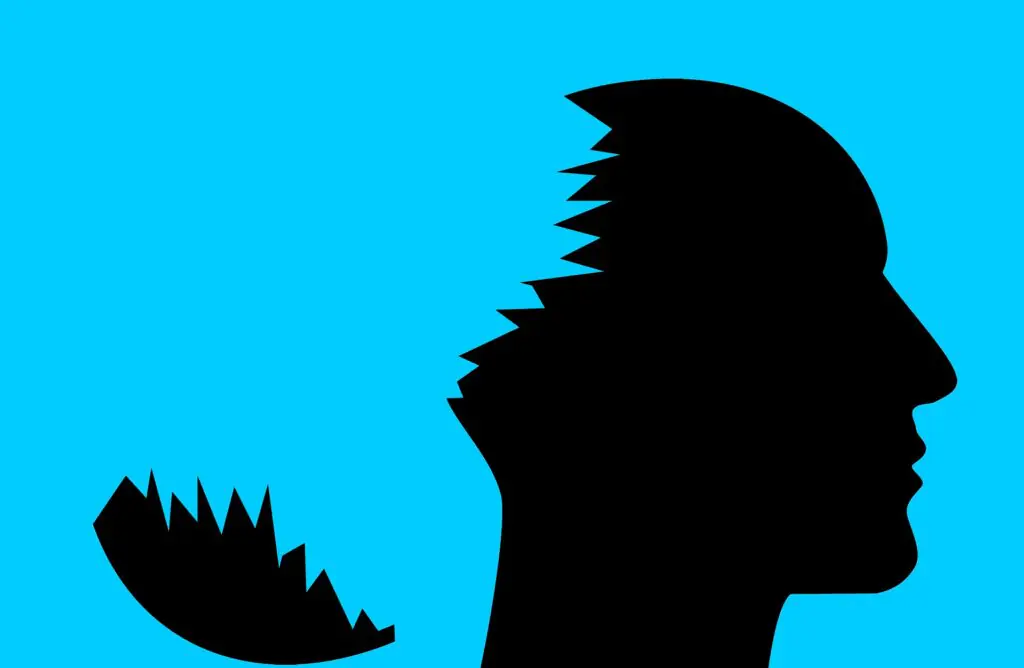
How Emotional Distress Develops in Humans
Emotional distress does not appear suddenly. It builds slowly through repeated emotional pressure. When the brain faces too many negative experiences without relief, it enters a state of overload. This happens to people of all ages and cultures, showing it is a universal human experience.
In history, emotional distress was shared within families and groups. People talked, rested, and stayed close to others. Modern life often removes this support, making distress feel heavier and more isolating.
Early Human Stress and Survival Pressure
In early human history, stress came from real danger. Fear helped humans escape threats, and sadness followed loss. These emotions were useful and temporary. Once danger passed, the body relaxed. This balance protected mental health.
Today, the brain reacts the same way, but stress does not end quickly. Work pressure, financial worries, social comparison, and constant information keep the mind alert. This causes long-term emotional stress, anxiety, and mental fatigue.
Modern Emotional Overload
Modern emotional distress often comes from constant thinking and emotional pressure. People worry about the future, replay past mistakes, and fear judgment. The brain struggles to rest. Over time, this leads to feeling overwhelmed, emotionally drained, and mentally exhausted.
This explains why people search for terms like how to calm the mind, emotional burnout, mental exhaustion, and stress relief.
Why Humans Need Emotional Support to Feel Relaxed
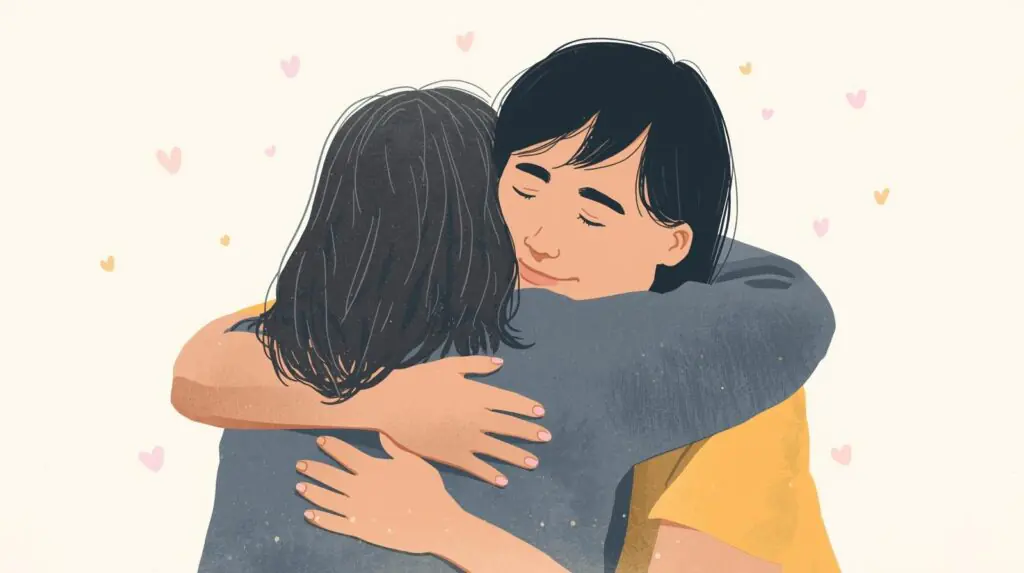
Humans are social by nature. From the beginning of history, survival depended on others. When emotions overwhelm us, the brain looks for safety. Another calm human presence signals that we are not alone or in danger. This is not weakness. It is biology.
When someone listens to us, the brain reduces its threat response. Heart rate slows, breathing becomes steady, and emotions feel manageable. This is why talking, sharing, or simply sitting with someone brings relief during emotional distress.
Comments are closed.