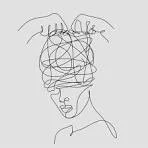
ANXIETY
Anxiety is one of the oldest mental responses in human life. Before language or society, living beings survived by noticing danger early. This deep survival pattern still lives inside the human nervous system today. Anxiety is the echo of that old system trying to protect life.
At its core, anxiety is not fear itself but the anticipation of fear. It is the mind imagining possible harm before it happens. This imagination is powerful, and when it runs without balance, it creates constant inner tension.
The Body’s Alarm System
The human body has an internal alarm meant to turn on briefly and then shut off. Anxiety appears when this alarm stays active longer than needed. Hormones like adrenaline prepare the body for action even when no action is required.
When this happens repeatedly, the nervous system forgets how to rest. Calm starts to feel unfamiliar, and alertness becomes the new normal. This is why anxious people often feel tired but unable to relax.
The Role of Learning and Memory
Anxiety grows through learning. When the mind connects certain situations with discomfort, it stores those links as warnings. Even neutral events can later trigger anxiety because the brain remembers past strain.
This learning often happens silently. A person may not remember when it started, but the body remembers the feeling. Anxiety then appears automatic, as if it has a life of its own.
Thought Patterns and Anxiety
Anxious thinking usually moves toward extremes. Small uncertainties are treated as large threats. The mind tries to control the future by predicting it, but this effort increases fear instead of reducing it.
These thoughts repeat because the brain believes repetition equals safety. The more the mind reviews a worry, the more important it feels. Anxiety grows not from reality, but from constant mental rehearsal.
Anxiety and Control
Anxiety is closely tied to the need for control. When life feels unpredictable, the mind tightens its grip. Worry becomes a way to feel prepared, even though it rarely solves anything.
This creates a paradox. The more control the mind seeks, the more anxious it becomes. Letting go feels dangerous, even when holding on causes suffering.
Anxiety in Relationships and Society
Human connection strongly influences anxiety. Feeling judged, rejected, or unseen activates the same safety system as physical danger. The brain does not clearly separate social pain from survival threats.
Modern life increases this pressure. Constant comparison, speed, and expectation overload the nervous system. Anxiety rises not because people are weak, but because systems demand more than the mind evolved to handle.
The Anxiety Cycle
Anxiety feeds itself through avoidance. When a person avoids what causes anxiety, short-term relief appears. The brain then learns that avoidance equals safety, strengthening the fear.
Over time, life becomes smaller. More situations are labeled as dangerous, even when they are not. Anxiety then feels permanent, but it is actually a learned loop.
Anxiety as a Question of Meaning
Anxiety often appears when the mind faces uncertainty about direction, purpose, or identity. When answers are unclear, the mind fills the gap with worry. Anxiety grows in the space between what is known and what is unknown.
This tension is not always about danger but about not knowing how to live forward. The mind wants firm ground, but life offers movement instead. Anxiety reflects the discomfort of standing in that movement.
Anxiety and Awareness of Time
Anxiety pulls attention away from the present moment. The mind lives ahead of itself, trying to arrive before life does. This creates a sense of constant urgency without completion.
The future becomes heavy because it carries imagined responsibility. Anxiety is often the weight of tomorrow placed on today. When attention returns to the present, that weight lightens.
Anxiety and the Self
Anxiety strengthens when the sense of self feels fragile. The mind worries about failing, losing value, or being exposed. These fears arise when worth feels conditional rather than stable.
In this way, anxiety reflects how tightly identity is held. When the self is treated as something that must be defended, anxiety becomes its guard. When identity softens, anxiety loosens its grip.
Understanding Anxiety as Information
Anxiety carries information, not truth. It signals perceived threat, not actual danger. Learning to notice anxiety without obeying it weakens its authority.
When anxiety is met with understanding instead of resistance, the nervous system slowly recalibrates. Safety is relearned through experience, not force.
Healing and Regulation
Reducing anxiety is less about eliminating fear and more about restoring balance. The body must relearn how to switch between alertness and rest. Gentle exposure, steady routines, and calm attention help retrain this rhythm.
Anxiety softens when the mind stops fighting itself. As trust in the present grows, the future loses its grip. Anxiety then becomes what it was meant to be, a brief signal, not a constant state.