Overthinking: Why Learn to Control Your Mind Before It Controls You
What Overthinking Really Means
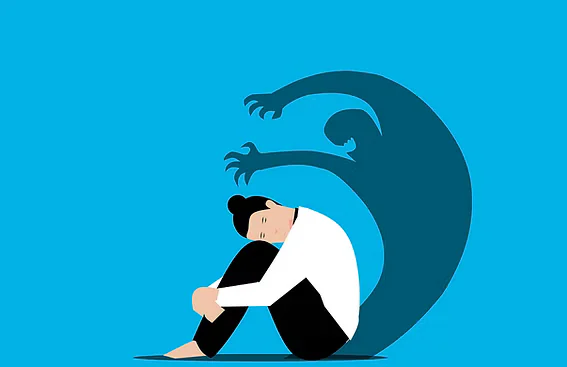
Overthinking is not just thinking deeply. It is a repeated mental loop where thoughts circle without leading to clarity or action. The mind keeps analyzing, replaying, and imagining outcomes until mental energy becomes drained.
This pattern often feels productive at first. You may believe you are solving problems or preparing for the future. In reality, overthinking creates mental rumination and emotional exhaustion. Instead of clarity, it produces confusion and anxiety.
Overthinking usually appears in the form of repetitive negative thinking. Small decisions begin to feel heavy, and even simple situations can trigger long chains of thoughts that never reach a conclusion.
How Overthinking Starts Quietly
Most people do not notice when overthinking begins. It often starts as careful thinking or planning. Gradually, the brain becomes stuck in an anxiety thinking loop where every possibility feels urgent or dangerous.
When the mind gets used to constant analysis, silence begins to feel uncomfortable and can deepen a quiet sense of loneliness. You may start filling every empty moment with worries, future fears, or past regrets just to avoid that inner emptiness. Over time, this pattern turns into a habit rather than a conscious choice, making the mind feel constantly occupied yet emotionally isolated.
Overthinking affects thoughts, emotions, and behavior in subtle ways. Recognizing the signs early helps prevent deeper mental fatigue.
Repetitive Thoughts That Do Not End
One of the clearest signs is repetitive mental replay. You may revisit conversations, decisions, or mistakes again and again. Even when nothing can be changed, the brain continues searching for better outcomes.
This mental rumination often increases at night. Many people notice that their brain becomes more active when the environment becomes quiet, leading to sleep disruption and emotional stress.
Difficulty Making Simple Decisions
Overthinking makes decision-making feel risky and filled with stress. Even small choices begin to carry imagined consequences that increase mental pressure. You may experience decision paralysis, where choosing between simple options feels overwhelming and emotionally exhausting.
Instead of feeling confident after deciding, overthinkers often second-guess themselves. This constant doubt creates mental fatigue and reduces trust in personal judgment. Why the Brain Falls Into Overthinking
The brain is designed to detect problems and protect you. Overthinking begins when this protective system becomes too active. Instead of solving real dangers, the mind starts reacting to imagined ones.
Anxiety and the Fear of Uncertainty
Many people overthink because uncertainty feels uncomfortable. The brain tries to predict every possible outcome to avoid mistakes or disappointment. This creates excessive worrying and emotional tension.
When anxiety is present, the mind treats thoughts as threats. Even harmless situations can trigger stress responses, leading to a continuous cycle of analysis and fear-based thinking.
The Stress Response and Mental Overload
Overthinking activates the body’s stress system. When the brain perceives pressure, it releases stress hormones that increase alertness. While helpful in short situations, constant activation leads to cognitive overload.
Mental overload makes it harder to focus, relax, or sleep. Over time, the mind becomes stuck in a loop of tension and analysis, making calm thinking difficult.
How Overthinking Affects Mental and Emotional Health
Overthinking does not stay limited to thoughts. It gradually affects emotional balance, productivity, and overall mental health.
Mental Fatigue and Emotional Exhaustion
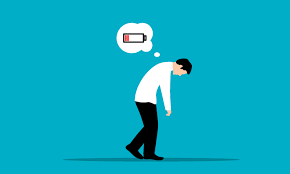
Constant thinking drains mental energy. The brain works continuously without reaching resolution, leading to mental fatigue. This exhaustion reduces creativity, focus, and motivation.
Emotional exhaustion often follows. When thoughts remain negative or uncertain, the mind begins to feel heavy. Even positive experiences may feel less meaningful because attention remains fixed on worries.
Sleep Problems and Reduced Focus
Overthinking often intensifies at night, especially for those struggling with low self-esteem. The quiet environment allows unresolved thoughts and self-doubt to surface more strongly. Many people experience difficulty sleeping because their mind refuses to slow down and keeps questioning their worth or past actions.
Lack of sleep then worsens overthinking. A tired brain struggles to regulate emotions and control intrusive thoughts. This creates a cycle where poor sleep and excessive thinking reinforce each other.
Practical Ways to Stop Overthinking
Controlling overthinking does not mean stopping thoughts completely. It means learning how to guide them instead of being controlled by them.
Shift From Analysis to Action
Overthinking thrives on inaction. When the brain keeps analyzing without acting, thoughts multiply. Taking small actions reduces mental pressure and gives the mind a sense of progress.
Even simple steps can interrupt repetitive thinking. Writing tasks down, making a decision, or completing a small action helps shift focus from endless thinking to real movement.
Train the Mind to Return to the Present
Overthinking often lives in the past or future. Training attention to return to the present moment reduces mental rumination. Focusing on current tasks, breathing, or surroundings helps calm cognitive overload.
This does not eliminate problems but prevents the brain from exaggerating them. Over time, the mind learns that not every thought requires deep analysis.
The Quiet Truth About Overthinking
Overthinking often comes from a desire to avoid mistakes, pain, or uncertainty. It feels like protection, yet it slowly becomes a source of stress. The mind tries to control life by thinking more, but life rarely becomes clearer this way.
Real clarity comes when thinking and action stay balanced. Thoughts are useful when they guide decisions and growth. They become harmful when they trap the mind in endless loops without resolution.
Learning to notice overthinking is the first step toward mental calm. When awareness grows, the mind slowly shifts from constant analysis to thoughtful presence. Over time, thinking becomes a tool again rather than a burden.