Understanding Burnout and the Slow Loss of Inner Energy
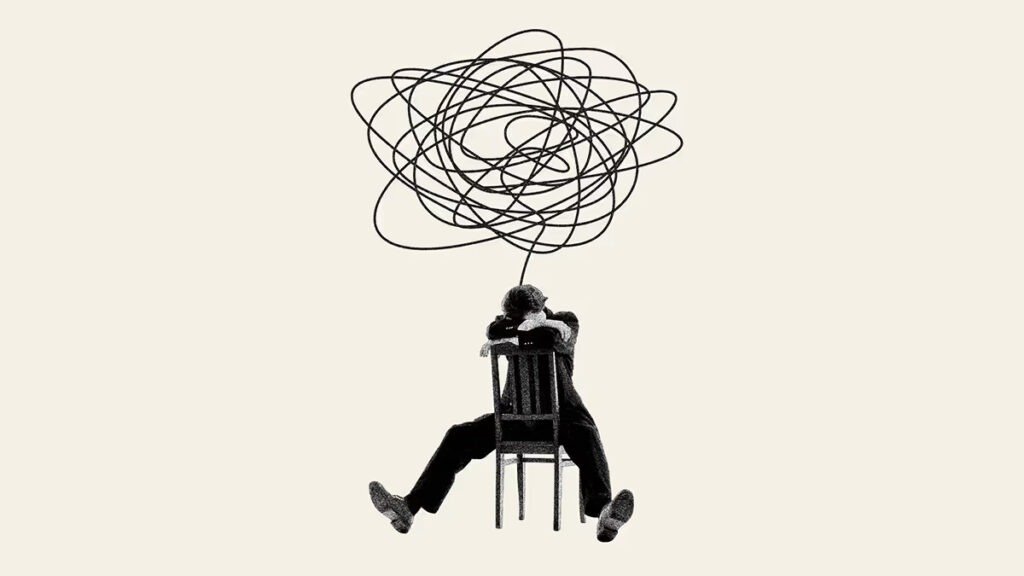
Burnout does not appear suddenly. It builds slowly, often without being noticed in the beginning. A person may continue working, studying, or caring for others as usual, yet something inside starts to feel tired. At first this tiredness feels normal, like the kind that comes after a long day. However, when this feeling continues for weeks and months without relief, it slowly changes into emotional and mental exhaustion. This is how burnout begins to grow in a quiet and steady way.
In daily life, people often ignore early signs of exhaustion. For example, a student may stay awake every night to complete assignments, thinking that rest can wait. A working professional may continue meeting deadlines even when their mind feels drained. At first, this effort may seem productive, but over time it starts to reduce energy rather than build success. When effort continues without proper rest or emotional renewal, the mind begins to feel empty instead of fulfilled.
How Burnout Affects the Mind and Emotions
Emotional Changes That Feel Confusing
As burnout develops, emotional changes become more noticeable. A person who once felt motivated may begin to feel distant from their own goals. Tasks that once felt meaningful can start to feel like heavy duties. For instance, someone who enjoyed their job may begin to feel no excitement while going to work. This does not mean they have lost ability. It means their emotional energy has been used for too long without recovery.
These emotional changes can create confusion because life on the outside may still look normal. A person continues to perform responsibilities, yet inside they feel disconnected. They may feel less patient with others, less hopeful about the future, and less satisfied with achievements. Over time, this emotional distance can make everyday life feel repetitive and exhausting.
Mental Exhaustion and Loss of Focus
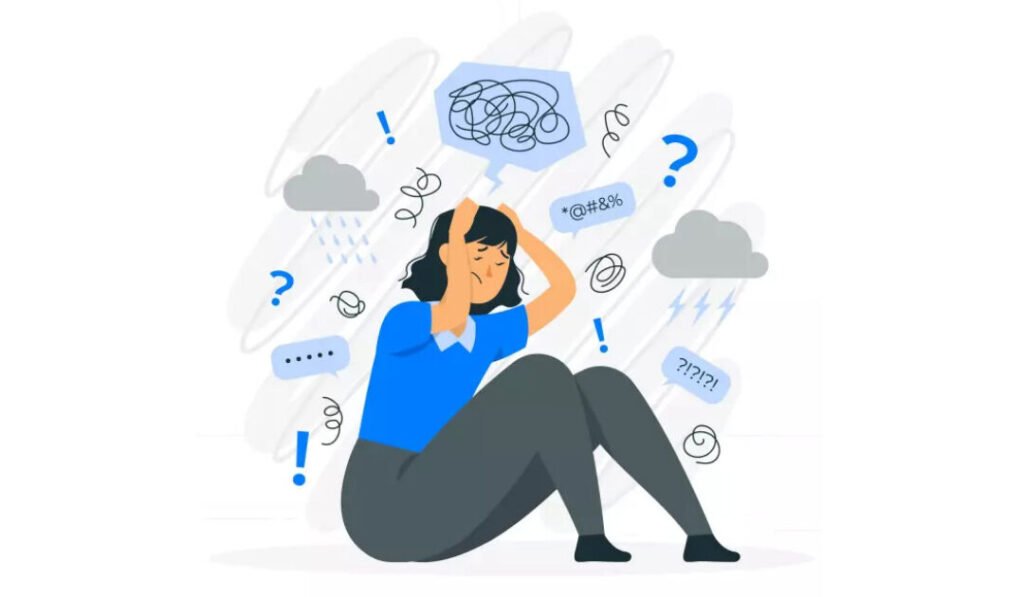
When emotional fatigue continues, mental clarity also begins to weaken. Concentration becomes difficult, and simple decisions start to feel overwhelming. For example, choosing what to eat or how to organize a task may feel unusually stressful. This happens because the mind has been under constant pressure without enough time to reset.
Mental exhaustion also changes how people see themselves. They may begin to doubt their abilities even if they were once confident. This self-doubt grows not because they are incapable, but because their mind is tired. When the brain carries continuous stress, it struggles to maintain clear thinking and motivation. As a result, confidence and focus slowly decline together.
Why Burnout Develops Over Time
Continuous Effort Without Emotional Renewal
Burnout often develops when effort continues without emotional reward. Imagine a person watering a plant every day but never giving it sunlight. The effort exists, yet growth does not happen. In the same way, people may work hard every day but receive little appreciation, rest, or meaning. Over time, this imbalance creates emotional dryness.
For example, a caregiver who constantly supports others may ignore their own needs. At first, helping others feels meaningful. However, if they never receive rest or emotional support, exhaustion begins to grow. This does not mean caring is wrong. It means that continuous giving without renewal slowly reduces inner strength.
Loss of Meaning in Daily Routine
Another cause of burnout is the gradual loss of meaning in daily activities. When life becomes only about completing tasks, the mind begins to feel trapped in routine. A person may wake up, work, and sleep without feeling any sense of growth or satisfaction. Over time, this repetition can create emotional emptiness.
For instance, someone working only for financial survival may stop feeling connected to their work. Even if they perform well, the absence of personal meaning reduces motivation. The mind needs a sense of direction and purpose. When this sense weakens, energy also begins to fade. Burnout often grows in this quiet loss of meaning.
Comparing Burnout Across Different Life Situations
Burnout appears differently in various lifestyles, yet the core experience remains similar. In professional life, it often shows as constant fatigue and reduced motivation despite continued effort. In student life, burnout may appear as mental overload and difficulty focusing after long periods of study. In caregiving roles, it may show as emotional exhaustion caused by continuous responsibility toward others.
Although these situations look different on the surface, they share a common pattern. Each involves prolonged effort without enough emotional recovery. A worker may feel drained by deadlines, a student by expectations, and a caregiver by responsibility. Yet all experience the same inner tiredness that grows when rest and meaning are missing. This shared pattern shows that burnout is not limited to one role but can affect anyone living without balance.
The Process of Recovery and Renewal
Restoring Energy Gradually
Recovery from burnout does not happen through sudden change. It begins with small steps that restore inner balance. When a person allows themselves proper rest and reduces unnecessary pressure, the mind slowly begins to recover. For example, taking short breaks during work or spending quiet time without digital distraction can help the nervous system relax. These small actions gradually rebuild emotional energy.
Rest alone is not enough if the mind remains filled with worry. True recovery involves creating moments of calm where thoughts can settle. Over time, these moments help the brain regain clarity and strength. As clarity returns, motivation begins to grow again in a natural way rather than through force.
Building a More Balanced Way of Living
Preventing future burnout requires a more balanced approach to life. This means combining effort with meaningful rest and maintaining connection with personal values. When a person understands their limits and respects them, energy becomes more stable. For instance, setting realistic goals and allowing time for recovery helps maintain long-term motivation.
A balanced life does not remove responsibility. Instead, it changes how responsibility is carried. When work, rest, and personal meaning exist together, the mind functions with greater stability. Over time, this balance creates resilience, allowing individuals to face challenges without losing their inner energy.
Moving Toward Clarity and Stability
Burnout often feels like losing connection with one’s own energy and purpose. Yet this experience also reveals the importance of balance and self-understanding. When individuals recognize the early signs of exhaustion and respond with care, recovery becomes possible. The mind slowly regains strength when it is given space to rest and reconnect with meaning.
A stable life grows from consistent attention to both effort and renewal. When people move forward with awareness of their emotional needs, they build a foundation that protects against future exhaustion. Through gradual change and self-care, burnout can transform from a state of depletion into an opportunity for deeper clarity and sustainable living.