
FEAR
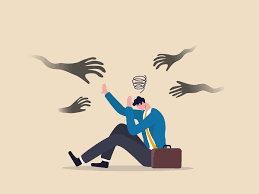
Fear
What Fear Really Is
Fear begins before anything actually happens. It appears when the mind senses a possible threat, not a real one yet. This is why fear can feel strong even in safe moments. It is a reaction to what could be, not always to what is.
It forms quietly and spreads slowly, often without clear reason. A person may be sitting peacefully, yet inside, fear can create tension and unease. The mind prepares for danger even when life is calm.
Fear is not an enemy. It is a signal. It shows where attention is focused and what feels important. When fear appears, it is pointing to something the mind wants to protect.
Instead of seeing fear as a problem, it can be seen as information. It tells you where your care and concern live. Every fear carries a message about what holds value in your life.
How Fear Forms Inside the Mind
Fear Starts With Imagination
The mind is powerful. It can replay memories, predict outcomes, and create stories. Fear grows when these stories move faster than reality. A single thought can turn into many outcomes, each worse than the last.
Imagination can expand a small worry into a large scenario. The mind keeps adding details until the imagined future feels real. This is how fear builds strength without needing real events.
The body reacts to these thoughts as if they are real events. Heart rate increases. Breathing changes. Muscles tense. The body does not know the difference between imagined danger and real danger.
Because of this, fear feels physical and immediate. Even when the mind knows nothing is happening, the body prepares for action. This creates a loop where thoughts and physical sensations strengthen each other.
Fear Feeds on Repetition
The more a thought is repeated, the more believable it becomes. Fear does not need proof. It grows through familiarity. A fear that is revisited often starts to feel true simply because it is known.
When the same worries return daily, they begin to feel permanent. The mind starts to expect them. Familiar fear becomes comfortable in a strange way, simply because it is repeated.
This is why fear can feel logical even when it is not accurate. The mind trusts what it hears often. Repetition creates a sense of certainty, even when the fear has little evidence behind it.
Over time, repeated fear becomes a habit of thinking. It settles into daily life and begins to shape perception. What is repeated feels real, even when it is only a pattern.
What Fear Is Trying to Protect
Fear Shows What Matters
You do not fear things that mean nothing to you. Fear always protects something valuable. This could be safety, identity, relationships, respect, or control. Fear appears where attachment exists.
Where there is care, there is also vulnerability. Fear grows around what feels meaningful. It forms a protective layer around the things the mind does not want to lose.
For example, fear of failure often hides a desire to be worthy. Fear of rejection often hides a need for connection. Fear does not appear randomly. It follows meaning.
Understanding what lies beneath fear can bring clarity. When you see what fear is protecting, you understand what matters most to you. This turns fear into insight rather than confusion.
Fear Protects the Familiar
Even painful situations can feel safe if they are familiar. Fear resists change because change threatens what is known. The mind prefers predictable pain over uncertain growth.
The familiar gives a sense of control. Even if it is uncomfortable, it is understood. Fear tries to keep life within known limits, where outcomes feel manageable.
This is why fear can stop people from leaving unhealthy patterns. It is guarding certainty, not happiness. The unknown feels risky simply because it has no clear shape.
Growth often requires stepping beyond what feels safe. Fear appears at this edge, trying to hold on to what is known. It does not always protect what is best, only what is familiar.
Why Fear Feels So Strong
Fear and Time
Fear lives in the future. It pulls the mind away from the present moment. When fear takes over, the future feels closer than now. This creates urgency, even when no action is needed.
The mind begins to imagine outcomes that have not happened. These imagined moments feel real and immediate. As a result, the present moment loses its calmness.
The present is calm. Fear makes the future loud. It fills the mind with possibilities that feel urgent and demanding. This makes it difficult to rest in what is happening now.
Learning to return attention to the present can soften fear. When the mind slows down and focuses on what is real, fear loses some of its intensity.
Fear and Silence
Fear becomes louder when distractions disappear. In quiet moments, the mind turns inward. Unfinished thoughts surface. Questions appear without answers. Fear fills the empty space with possibilities.
Silence gives the mind room to wander. Without activity, the mind searches for something to focus on. Often, it finds unresolved worries and begins to expand them.
This is why fear often increases at night or during still moments. When the world slows down, inner noise becomes clearer. Thoughts that were ignored during the day return with more strength.
Understanding this pattern helps reduce confusion. Fear is not always stronger at night; it is simply more noticeable when everything else is quiet.
The Way Fear Distorts Thinking
Fear Speaks in Extremes
Fear rarely speaks gently. It uses words like always, never, and what if. It turns small risks into certain disasters. It removes balance from thinking.
This extreme language makes situations feel larger than they are. A minor uncertainty can quickly become a major threat in the mind. Fear prefers certainty, even if that certainty is negative.
Fear does not ask questions. It makes statements. It presents imagined outcomes as facts. This creates pressure and tension within the mind.
When thinking becomes extreme, clarity disappears. Balanced thinking returns only when fear is observed calmly and allowed to pass without immediate reaction.
Fear Confuses Possibility With Truth
Just because something could happen does not mean it will. Fear blurs this difference. It treats possibility as proof. This is why fear feels convincing even without evidence.
The mind begins to respond to imagined outcomes as if they are guaranteed. This creates unnecessary stress and preparation for events that may never occur.
Understanding the difference between possibility and reality brings relief. When you see that fear deals in “what if,” not certainty, its influence weakens.
Clarity grows when thoughts are questioned gently. Recognizing that not every possibility becomes reality helps the mind relax.
Why Fighting Fear Makes It Stronger
Resistance Gives Fear Energy
Trying to push fear away often backfires. When fear is ignored or fought, it demands attention in stronger ways. Suppressed fear does not disappear. It waits.
The more fear is resisted, the more persistent it becomes. It returns through tension, restlessness, or constant thinking. Resistance keeps it active.
Fear weakens when it is allowed to exist without panic. Allowing fear does not mean agreeing with it. It means noticing it without trying to remove it immediately.
This calm observation reduces its intensity. Fear begins to lose its urgency when it is not treated as an emergency.
Observation Softens Fear
When fear is noticed calmly, it changes shape. Instead of a threat, it becomes a sensation, a thought, or a message. Observing fear removes its authority.
Awareness creates distance between you and the feeling. This distance allows clearer thinking and calmer responses.
Fear loses power when it is seen clearly. What once felt overwhelming becomes understandable. Understanding brings steadiness.
With practice, observation becomes natural. Fear still appears, but it no longer controls every reaction.
What Lies Beneath Fear
Fear Often Hides Simpler Needs
Fear is sometimes a surface emotion. Under it may be exhaustion, sadness, loneliness, or unmet needs. The mind uses fear to signal that something needs care.
When these deeper needs are recognized, fear often softens. It no longer needs to shout for attention.
Not every fear needs courage. Some need rest. Some need reassurance. Some need time and patience.
Listening gently to what fear is hiding can bring relief. Beneath fear, there is often a simple human need waiting to be acknowledged.
Naming Fear Reduces Its Weight
When fear is named honestly, it becomes less overwhelming. Clear awareness turns fear into information instead of command. What is understood feels less threatening.
Naming fear gives it shape. What has shape can be understood. What is understood becomes easier to face.
Silently carrying fear makes it heavier. Expressing it, even privately, reduces its intensity.
Clarity replaces confusion when fear is recognized for what it truly is.
Living With Fear Without Being Ruled by It
Fear Does Not Need to Disappear
Life will always contain uncertainty. Fear cannot be removed completely. The goal is not to eliminate fear, but to change the relationship with it.
Accepting this brings calmness. When fear is no longer seen as something that must vanish, it stops feeling like a constant problem.
Fear can exist without control. It can be present without deciding every action. This balance allows movement even when uncertainty remains.
Living with fear calmly creates resilience. It allows growth without waiting for perfect confidence.
Fear as a Guide, Not a Leader
When fear is listened to but not obeyed blindly, it becomes useful. It can guide attention without deciding direction. Fear can inform choices without limiting them.
This balanced relationship creates freedom. Fear remains present, but it no longer controls every decision.
Over time, fear becomes quieter. It still appears, but with less urgency. It becomes a background signal rather than a loud command.
This shift allows life to move forward with steadiness instead of hesitation.
The Quiet Truth About Fear
Fear Is Part of Being Aware
Fear comes with awareness. To care deeply is to feel fear occasionally. A life without fear would be a life without meaning.
Awareness makes life richer, but also more sensitive. Fear appears as part of this sensitivity.
Fear does not mean something is wrong. It means something matters. It shows that attention is alive and responsive.
When seen this way, fear feels less like a burden and more like a natural part of being human.
When Fear Is Understood
When fear is met with patience, it softens. It no longer shouts. It becomes a quiet signal rather than a loud command. In understanding fear, space is created to move forward without force.
Understanding does not remove uncertainty, but it reduces struggle. The mind becomes calmer and more balanced.
Fear loses its power not when it is defeated, but when it is understood. When seen clearly, it becomes part of experience rather than an obstacle to it.