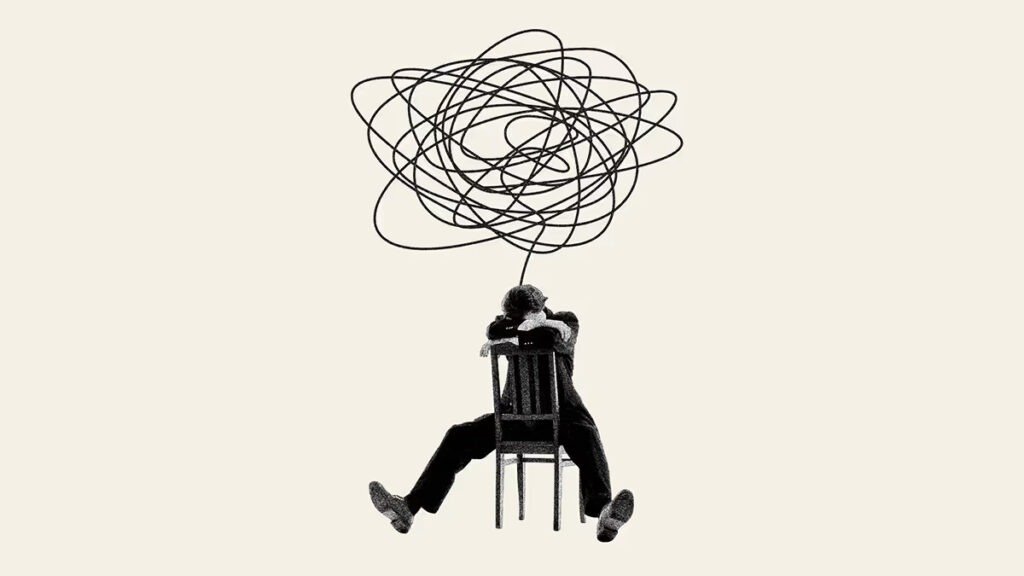
Many people feel confused when they have a job, education, family, or stability, yet still feel empty, directionless, or disconnected. This experience is more common than it seems. It is not ingratitude or weakness. It is a psychological state where external success no longer matches internal experience.
What This Feeling Actually Means
Feeling lost despite having everything means that basic needs are met, but psychological needs are unmet. The mind is not asking for more achievements. It is asking for meaning, coherence, and emotional alignment.
The Difference Between Having and Feeling
Having refers to external conditions such as money, relationships, or status. Feeling refers to internal states such as purpose, connection, and clarity. When these two drift apart, confusion appears. The mind struggles to explain pain when no visible reason exists.
Why This State Feels Hard to Explain
When life appears stable on the outside, people often dismiss their own emotional pain. They tell themselves that feeling empty is not justified, so they suppress it instead of understanding it.
This creates guilt, because they believe something is wrong with them for not feeling satisfied. To avoid judgment from others and from themselves, they remain silent. Over time, this silence turns confusion into a deeper sense of being lost.
Psychological Roots of Emptiness
Emptiness begins when the mind’s basic psychological needs are unmet. Humans do not only need food, safety, and comfort. They also need meaning, connection, and a sense of inner direction. When these inner needs are ignored for a long time, the mind does not always produce pain. Instead, it produces emptiness.
At the most basic level, emptiness is the absence of emotional engagement. The mind is awake, but not connected. Life continues, but it does not feel personal. This state develops slowly and often goes unnoticed at first.
Disconnection From Inner Needs
From childhood, many people learn to focus on what is expected rather than what is felt. They learn to perform, achieve, and adapt. Over time, attention shifts outward. The person becomes skilled at meeting demands but loses awareness of their own emotional signals.
When inner needs are consistently ignored, the mind stops signaling clearly. Emotions become dull, unclear, or absent. This is not a lack of feeling. It is the result of long-term emotional neglect of the self.
Meaning Replaced by Function
Another root of emptiness is living life only in terms of function. People wake up, work, complete tasks, and repeat. Life becomes organized but not meaningful. When a person’s value is tied only to usefulness or productivity, their inner life slowly fades.
The mind needs a reason to care, not just a reason to act. When action continues without personal meaning, emotional emptiness develops as a natural consequence.
Why the Mind Chooses Emptiness
At the most basic level, the mind has one primary job: to keep the person functioning. It does not aim for happiness first. It aims for survival and stability. When emotions are manageable, the mind allows them to be felt fully. But when emotions become too intense, too conflicting, or too painful, the mind looks for a way to reduce damage.
Emotions require energy. Feeling deeply means processing loss, fear, confusion, or disappointment. When too many emotional demands arrive at once, the mind becomes overloaded. At this point, continuing to feel everything would overwhelm the system and disrupt daily functioning.
To prevent this overload, the mind reduces emotional intensity. It does not shut emotions off completely. It lowers their volume. This is what emptiness is. It is not the absence of feeling, but a protective lowering of emotional output.
Think of it as a circuit breaker. When emotional pressure becomes too high, the mind cuts the flow to avoid collapse. This allows the person to keep waking up, working, talking, and surviving, even though life feels flat or disconnected.
Why This Feeling Can Become Dangerous if Ignored
The human mind needs direction. Direction does not mean success or happiness. It means having a reason to move forward. When a person feels lost for a long time and does nothing with that feeling, the mind slowly adapts in unhealthy ways.
Ignoring this state does not make it disappear. It allows it to grow quietly. Because there is no visible crisis, the danger often goes unnoticed, even by the person experiencing it.
Meaning is what tells the mind that effort is worth making. When meaning is present, struggle feels temporary. When meaning is missing, even small tasks feel heavy.
At first, loss of meaning feels like boredom or confusion. Over time, it becomes emotional fatigue. The mind starts asking, “Why am I doing this?” When no answer feels true, motivation drains away.
Hopelessness does not usually appear as intense sadness. More often, it appears as quiet disengagement. The person still functions but without emotional investment. They stop caring deeply about outcomes. Life feels repetitive and empty, not painful enough to panic, but painful enough to drain energy.
This is dangerous because the mind begins to believe that nothing will change, not because it is true, but because nothing inside feels alive enough to imagine change.
How This Feeling Begins to Resolve
the mind heals through order, not sudden transformation. When someone feels lost or empty, the mind is disorganized internally. Emotions, thoughts, and actions are no longer aligned. Resolution begins when this inner disorder is slowly organized again.
This is why sudden changes rarely help. Quitting everything, forcing positivity, or making drastic decisions adds more pressure. The mind needs stability first. Gradual realignment gives the nervous system time to adjust and feel safe again.
Naming the Experience
Before change can happen, the mind needs understanding. When a feeling has no name, it feels overwhelming and personal. The person thinks, “Something is wrong with me.” This creates shame and self-blame.
When the experience is named, the mind shifts. It moves from self-judgment to observation. Understanding that this state has a psychological explanation removes confusion. The feeling becomes a condition, not an identity. This alone reduces emotional intensity.
Naming gives the mind structure. Structure reduces fear. When fear reduces, clarity slowly returns.
Reconnecting With Values
After understanding comes direction. The mind does not need big goals to recover. It needs meaningful direction.
Values are not achievements. They are internal guides such as honesty, growth, connection, learning, or contribution. Goals end. Values continue. When a person lives without values, actions feel empty even if they are successful.
When choices begin to reflect values, even small actions regain meaning. A conversation, a task, or a decision feels purposeful again. This restores emotional energy because the mind recognizes coherence between inner beliefs and outer behavior.
Why This Process Works
This process works because it respects how the mind naturally functions. The mind heals through clarity, alignment, and consistency. Naming reduces confusion. Values restore direction. Gradual change rebuilds trust between the person and their inner experience.
Resolution is not dramatic. It feels quiet and steady. But this quiet rebuilding is how emptiness loosens its hold.
How This Can Lead to Suicide
At the most basic level, suicide does not begin with a wish to die. It begins with a loss of inner connection to life. When a person feels lost, empty, and disconnected for a long time, the mind slowly changes how it evaluates existence itself.
This is not sudden. It is gradual.
Emptiness Turns Life Into Effort Without Meaning
When emptiness lasts, daily life starts to feel like constant effort with no emotional return. The person still functions, but nothing feels rewarding or purposeful. The mind keeps asking, “Why am I doing this?” and receives no answer that feels true.
Without meaning, effort feels pointless. When effort feels pointless for too long, motivation collapses.
Silence Removes Emotional Correction
Humans regulate distress through sharing. When someone stays silent about feeling lost, the mind has no external feedback. Thoughts repeat unchecked. Doubts grow stronger because nothing challenges them.
Over time, the person begins to believe their inner experience is permanent and unchangeable. This belief is not logical. It is emotional isolation.
Hopelessness Replaces Curiosity
Curiosity keeps people alive psychologically. It asks, “What if something changes?”
Hopelessness ends that question.
When emptiness and isolation combine, the mind stops imagining improvement. The future becomes blank. This is a dangerous shift because the brain now evaluates life only through present pain.
At this stage, people are not thinking about death. They are thinking about escape from exhaustion.
The Mind Narrows to One Conclusion
Under prolonged emotional strain, the brain’s ability to think flexibly reduces. This is a biological response to stress. Options disappear. Perspective collapses.
In this narrowed state, suicide may appear not as a desire, but as a solution to stop feeling overwhelmed, empty, or trapped. This does not mean the person truly wants life to end. It means their mind cannot see another way to end the pain.