
LOW SELF ESTEEM
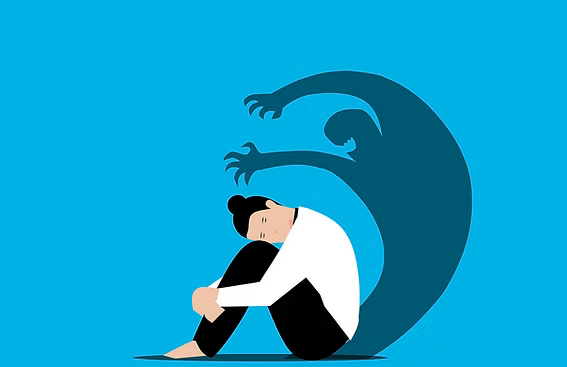
Low Self-Esteem: Signs, Causes, Effects, and Practical Ways to Improve It
Low self-esteem affects how a person sees their worth, abilities, and place in the world. It shapes daily decisions, relationships, and emotional stability. When self-esteem is low, even small challenges can feel overwhelming and personal achievements may feel undeserved or insignificant.
Understanding low self-esteem is the first step toward improving it. With awareness and consistent effort, self-perception can gradually shift in a healthier direction.
What Low Self-Esteem Means
Low self-esteem is a negative or limited belief about oneself. It often involves persistent self-criticism, doubt, and a feeling of not being “good enough.” People with low self-esteem may judge themselves harshly and overlook their strengths or achievements.
This mindset usually develops over time. Past experiences, criticism, comparison with others, or repeated failures can slowly shape how a person views themselves. As these beliefs grow stronger, they influence thoughts, emotions, and behavior in daily life.
Healthy self-esteem does not mean feeling superior. It means having a balanced and realistic view of oneself, including strengths and weaknesses, without constant self-judgment.
Common Signs of Low Self-Esteem
Negative self-talk and self-criticism
People with low self-esteem often speak to themselves in a harsh and unforgiving way. Small mistakes may be interpreted as proof of failure, and achievements may be dismissed as luck rather than effort.
This inner dialogue becomes automatic over time. It shapes how situations are interpreted and can increase feelings of anxiety or discouragement.
Difficulty accepting praise or recognition
Compliments and positive feedback may feel uncomfortable or undeserved. Instead of accepting appreciation, a person may downplay achievements or assume others are being polite rather than sincere.
This reaction reflects a deeper belief that personal value is limited or fragile. Over time, it can reduce confidence and motivation.
Fear of failure and avoidance
Low self-esteem often brings a strong fear of making mistakes. To avoid disappointment or judgment, individuals may avoid new challenges or opportunities altogether.
Avoidance can create a cycle where growth becomes limited. Without trying new things, confidence has fewer chances to develop.
Comparing oneself to others constantly
Frequent comparison with others can strengthen feelings of inadequacy. Social media, academic competition, or workplace pressure may intensify this habit.
When comparison becomes constant, personal achievements feel smaller and self-worth becomes dependent on external standards.
Causes of Low Self-Esteem
Early life experiences
Childhood environments play an important role in shaping self-belief. Constant criticism, lack of encouragement, or unrealistic expectations can influence how a person sees themselves later in life.
Supportive environments tend to build confidence, while negative experiences may create lasting self-doubt.
Social and cultural pressure
Society often promotes narrow standards of success, beauty, or achievement. When individuals feel they do not meet these expectations, self-esteem can decline.
Exposure to idealized images and success stories can also create unrealistic comparisons that affect self-perception.
Repeated setbacks or failures
Difficult experiences such as academic struggles, relationship problems, or professional setbacks may gradually weaken confidence. Without balanced perspective, these experiences can be interpreted as personal shortcomings rather than temporary challenges.
Over time, repeated setbacks can create a belief that success is unlikely or undeserved.
How Low Self-Esteem Affects Daily Life
Emotional well-being
Low self-esteem can increase vulnerability to anxiety, stress, and sadness. Persistent self-doubt may create constant mental pressure and reduce emotional stability.
When self-worth feels uncertain, even ordinary situations can feel threatening or overwhelming.
Relationships and communication
People with low self-esteem may struggle to express needs or set boundaries. They might avoid conflict, seek excessive approval, or feel undeserving of respect.
This can create imbalanced relationships where personal needs remain unspoken or unmet.
Motivation and personal growth
A limited sense of self-worth can reduce motivation. Opportunities for growth may feel intimidating rather than exciting, and goals may seem out of reach.
Over time, this can lead to stagnation, where potential remains unrealized due to fear or self-doubt.
Practical Ways to Improve Self-Esteem
Recognize negative thought patterns
Begin by noticing self-critical thoughts without immediately believing them. Writing them down can help create distance and clarity.
Once identified, these thoughts can be questioned. Ask whether they are facts or assumptions shaped by past experiences.
Build realistic self-awareness
Healthy self-esteem grows from balanced self-understanding. Acknowledge strengths as well as areas for improvement. Recognizing small achievements helps create a more accurate and supportive self-image.
This process takes time but gradually changes internal dialogue.
Set small and achievable goals
Progress builds confidence. Setting realistic goals and completing them provides evidence of ability and growth. Each success, even minor, contributes to a stronger sense of competence.
Consistency matters more than speed. Small steps taken regularly can create lasting change.
Strengthen supportive connections
Spending time with supportive and respectful people can positively influence self-perception. Encouragement from others helps challenge negative self-beliefs and reinforces a sense of belonging.
Healthy relationships provide perspective and emotional balance.
When to Seek Additional Support
If low self-esteem begins to affect mental health, relationships, or daily functioning, professional support can be helpful. Therapists and counselors can guide individuals in identifying thought patterns and building healthier self-beliefs.
Seeking help is not a sign of weakness. It reflects awareness and willingness to improve well-being.
A Steady Path Toward Healthier Self-Worth
Self-esteem is not fixed. It evolves through experiences, reflection, and consistent effort. Changing long-held beliefs about oneself takes patience, but gradual progress is possible.
A more balanced self-view allows challenges to feel manageable and achievements to feel meaningful. Over time, this shift creates greater emotional stability and a stronger sense of personal value.