
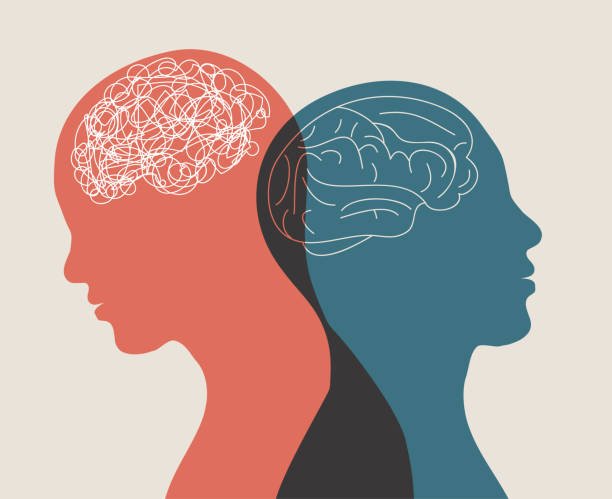
What Psychology Studies and Why It Matters
Psychology is the study of how the human mind works and how it shapes behavior. People look for psychology when they feel stressed, confused, anxious, angry, lonely, or emotionally overwhelmed. It helps explain why emotions feel intense and why behavior does not always match logic. Psychology exists because human reactions follow patterns that can be understood.
Psychology focuses on mental processes such as thinking, remembering, learning, and feeling, along with visible actions. These processes are not random. They are influenced by biology, experience, and environment. This is why psychology feels personal while still being scientific.
The Meaning and Origin of Psychology
The word psychology comes from Greek roots referring to the mind and the study of it. Historically, humans have always asked questions about thought, emotion, and behavior. What changed is how these questions were studied. Psychology became a formal discipline when these questions began to be tested using observation and evidence rather than belief.
Psychology is considered a young science, but its ideas are ancient. Long before laboratories existed, humans tried to understand memory, emotion, and motivation. Modern psychology organized these questions into a scientific framework, allowing them to be tested and verified.
Where Psychology Comes From
Psychology developed from both biology and philosophy. Biology explains how the brain and nervous system influence behavior. Philosophy raised questions about thinking, consciousness, and human nature. Psychology connects these by studying how physical systems produce thoughts and emotions.
Over time, psychology became linked with medicine, education, sociology, and anthropology. This connection exists because human behavior affects health, learning, culture, and society. Psychology grew because understanding behavior proved useful in real life.
How Psychology Produces Reliable Knowledge
Psychology is not based on guesswork or common sense. Many beliefs that feel obvious turn out to be incorrect when tested. Psychology uses scientific methods to examine behavior carefully and reduce bias. This approach helps explain why people act against their own interests or repeat harmful habits.
Psychologists study behavior not to judge it, but to understand it. By doing so, they help improve health, education, relationships, and decision making.
ALL ABOUT YOURSELF
| Depression | Anger | Isolation | Emotional Detachment | Guilt |
| Anxiety | Trauma | Frustration | Attachment Issues | Shame |
| loneliness | Sadness | Grief | Helplessness | Panic |
| Stress | Insecurity | Lack of Motivation | Imposter Syndrome | Mental Fatigue |
| Low Self-Esteem | Emotional Exhaustion | Emotional Numbness | Chronic Stress | Overwhelm |
| Overthinking | Hopelessness | Feeling Lost | Emotional Instability | Identity Confusion |
| Fear | Social Anxiety | Self-Doubt | Rumination | Emotional Suppression |
| Burnout | Mood Swings | Emotional Pain | Avoidance | Existential Crises |


Our Visitor


 Users Today : 6